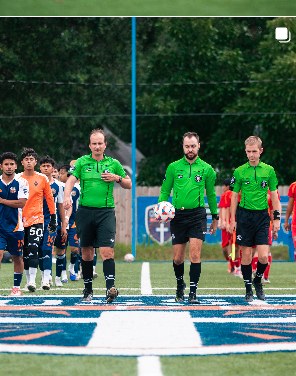
Fueling Competitive Soccer Around a Working Life
Fueling for two-a-day training weeks and weekend matches without a nutritionist.

For adult competitive adult soccer players navigating the demands of two training sessions a week and weekend matches, proper nutrition is the unseen advantage. Without a dedicated nutritionist, understanding fundamental dietary principles can significantly enhance performance, accelerate recovery, and maintain energy levels throughout the rigorous season.
Why is Nutrition Crucial for Adult Soccer Players?
Adult adult players, whether competing in the UPSL for NHFC's First Team or developing skills with the Development Team, require sustained energy and efficient recovery. Unlike professional athletes with dedicated support staff, adult players often balance soccer with work and personal life, making consistent energy levels essential. Insufficient caloric intake or imbalanced macronutrients can lead to early fatigue, increased injury risk, and diminished focus during critical moments on the pitch, impacting both individual performance and team cohesion. Proper nutrition supports the high-intensity bursts, endurance, and mental acuity demanded by the game.
Pre-Match Fueling: What to Eat Before Kick-off
The meal before a match is important for topping up glycogen stores, which are the primary energy source for high-intensity soccer. Focus on complex carbohydrates like whole-wheat pasta, brown rice, or potatoes, which release energy slowly and steadily. Lean protein, such as grilled chicken or fish, can be included in smaller portions to aid muscle maintenance without causing digestive discomfort. Avoid excessive fats and fiber, as these can slow digestion and lead to stomach issues during play. Aim to consume this substantial meal 3-4 hours before kick-off, allowing ample time for digestion before taking the field at a North Houston training venue.
Hydration Strategies for Houston's Climate
Houston's humid climate presents unique hydration challenges for soccer players. Dehydration, even mild, can severely impair performance, leading to reduced endurance, muscle cramps, and cognitive decline. Players should aim to drink water consistently throughout the day, not just during training or on match days. For intense sessions or matches, supplementing with electrolyte-rich beverages can replace salts lost through sweat. Monitoring urine color is a simple indicator: pale yellow signifies adequate hydration, while dark yellow suggests the need to increase fluid intake. Starting practices well-hydrated is key for players training with NHFC twice weekly.
Mid-Game and Half-Time Replenishment
During the intensity of a soccer match, energy stores can deplete rapidly. While whole foods are not practical during play, easily digestible carbohydrates are important for maintaining performance. Energy gels, fruit chews, or even a banana can provide a quick boost before or during halftime. Electrolyte drinks remain important for continuing to replace lost fluids and minerals, especially during extended play or in warm conditions. These small, strategic inputs can prevent the dreaded 'bonk' in the second half, ensuring players can maintain their level of intensity until the final whistle.
Post-Match Recovery: Rebuilding and Repairing
The 30-60 minute window immediately following training or a match is often referred to as the 'golden hour' for recovery. During this time, the body is most receptive to nutrient uptake for muscle repair and glycogen replenishment. A recovery meal or shake should ideally contain a 3:1 or 4:1 ratio of carbohydrates to protein. This combination helps restore depleted energy reserves and provides the amino acids necessary for muscle damage repair. Examples include chocolate milk, a turkey sandwich on whole-wheat bread, or Greek yogurt with fruit and granola. Prioritizing this meal can significantly reduce soreness and prepare players for the next session or match.
Everyday Eating for Consistent Performance
Beyond game day, an athlete's general diet profoundly impacts their season-long performance and health. Focus on a balanced diet rich in whole foods: plenty of fruits and vegetables for vitamins and antioxidants, lean proteins for muscle growth and repair, and complex carbohydrates for sustained energy. Incorporate healthy fats from sources like avocados, nuts, and olive oil for hormone production and overall well-being. Limiting processed foods, excessive sugars, and unhealthy fats minimizes inflammation and supports optimal bodily function, allowing players on both the First and Development Teams to perform at their best consistently.
Supplements: Do They Help Amateur Players?
While a well-balanced diet should be the cornerstone of any athlete's nutrition plan, certain supplements can, under specific circumstances, support performance and recovery. Creatine can enhance high-intensity power outputs, beneficial for sprints and jumps during a game. Protein supplements can aid in meeting daily protein requirements, especially for those with high training loads or dietary restrictions. However, it's important to approach supplements with caution, ensuring they are third-party tested for purity and free from banned substances. Always consult with a healthcare professional before adding supplements, especially if you're aspiring to competitive play with North Houston FC.
Crafting Your Personalized Nutrition Plan
Understanding these nutrition basics is the first step; the next is tailoring them to your individual needs and the specific demands of your training and match schedule. Observe how different foods affect your energy levels and digestion during training at a North Houston training venue or during games. Keep a food diary to identify patterns and areas for improvement. Experiment with various pre- and post-match meals to find what works best for your body. For those serious about elevating their game and potentially joining NHFC's First Team or advancing with the Development Team, consistent, thoughtful nutrition is as critical as any drill learned on the field. Fuel your ambition wisely.
Put the ideas into your game
If you want structured soccer development in Houston, request an evaluation or learn how the NHFC environment works.